
Why do the forests of the Yucatan Peninsula matter?
The Yucatan Peninsula is one of the largest remaining tropical forests in the Americas. But decades of cattle ranching, slash-and-burn agriculture, and urban expansion have fragmented these forests at an alarming rate. Each tree you adopt helps the Maya Nut Institute bring one more native species back to the landscape.
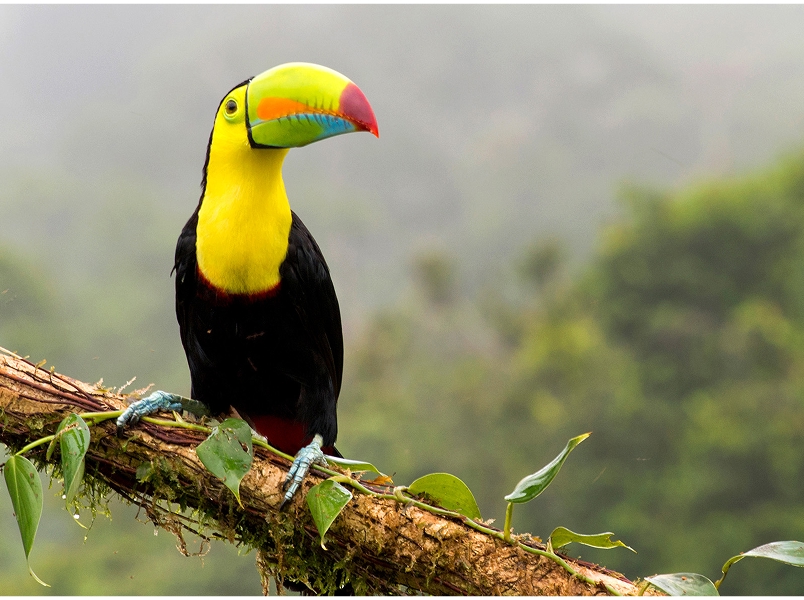
Forests are the lungs of our planet — absorbing carbon dioxide, releasing oxygen, and regulating local rainfall. They are also home to jaguars, howler monkeys, and hundreds of bird species found nowhere else. Even a single replanted tree strengthens the corridor that wildlife depends on to survive.
Where is your tree located?
The trees are located in Xocen in the Maya community of Valladolid state in the Yucatan peninsula, Mexico. They grow tropical hardwoods and fruit trees used by the community for food. Canopi is working to restore part of a forest using trees that the community can derive benefit from to offset the attractiveness of cattle farming.
In collaboration with
Maya Nut Institute
Your tree adoption.
Tracked from day one.
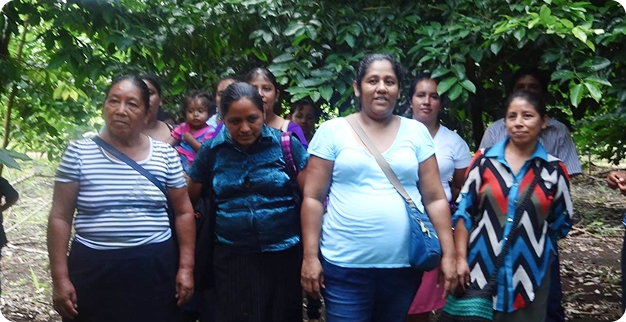
Reforestation is usually invisible to donors. At Canopi, every tree you adopt is a real native sapling planted in Xocen, in the Yucatan Peninsula — geotagged and tended in the field by the Maya Nut Institute, with seasonal updates as it takes root. Surplus funds expand replanting across the Yucatan peninsula.

Real native trees
Geotagged saplings in Xocen

Seasonal updates
Watch your tree take root

Verified payouts
Maya Nut Institute earns as your tree grows

Reliable funding
Long-term stability for reforestation
Why adopt a tree on Canopi?
Canopi, a Canadian non-profit, builds the app platform and provides marketing help so reforestation partners like the Maya Nut Institute can reach more people who care about forests and the wildlife they support.